


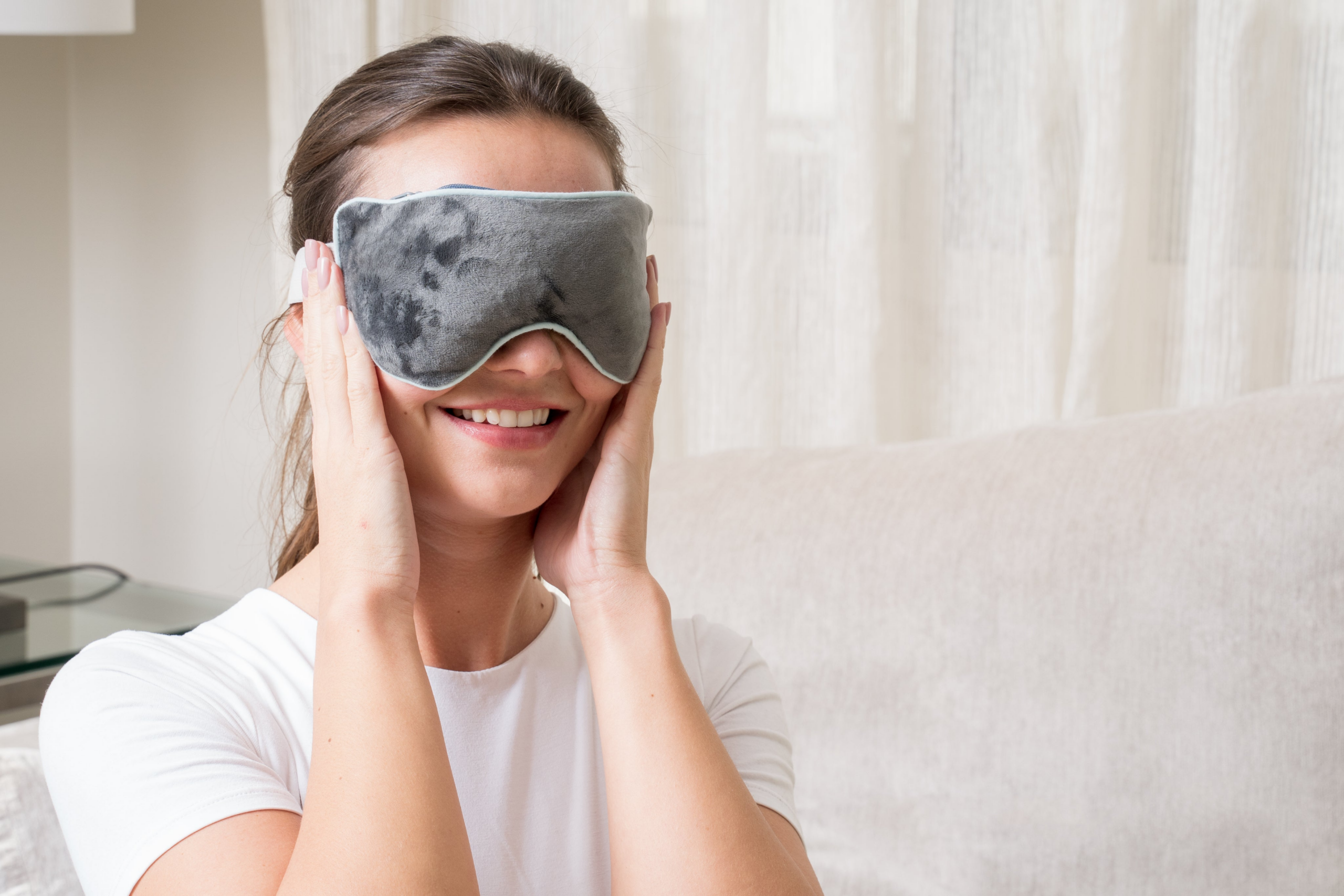
If your eyes often feel dry, gritty, tired, or irritated, you may have come across heat masks as a recommended treatment. But many people ask the same question: Do I really need a heat mask?
At Dry Eye Doc, a UK-based brand focused entirely on dry eye care, we believe in helping you understand why treatments are recommended, not just telling you to use them. In this article, we’ll explain Meibomian Gland Dysfunction (MGD), how heat therapy works, and when a heat mask can make a real difference to your eye comfort.
Understanding MGD (Meibomian Gland Dysfunction)
To understand why heat masks are so commonly recommended, it helps to know a little about Meibomian Gland Dysfunction, often shortened to MGD.
What are meibomian glands?
Meibomian glands are tiny oil-producing glands located along the edges of your eyelids, just behind your eyelashes. Each time you blink, these glands release oil (called meibum) into your tears.
This oil layer is essential because it:
- Prevents tears from evaporating too quickly
- Keeps the eye surface smooth and comfortable
- Helps maintain healthy, stable vision
What happens in MGD?
In people with MGD, the oil in these glands becomes:
- Too thick
- Blocked
- Reduced in quantity
When this happens, the tears evaporate faster than normal, leading to evaporative dry eye — the most common type of dry eye disease.
Common symptoms of MGD
MGD doesn’t always feel the same for everyone, but common symptoms include:
- Dry or gritty eyes
- Burning or stinging sensations
- Redness along the eyelid margins
- Blurry vision that improves after blinking
- Heavy or tired eyes, especially after screen use
If you experience these symptoms regularly, heat therapy may be beneficial.
Why Heat Therapy Helps
Heat therapy is one of the first-line treatments for MGD recommended by eye care professionals. But why does applying heat help so much?
How heat works on the eyelids
The oil inside blocked meibomian glands often becomes waxy and solid. Gentle, consistent heat helps by:
- Softening thickened oil
- Melting blockages within the glands
- Allowing oil to flow more freely
Once the oil flows properly, it can:
- Improve tear quality
- Reduce tear evaporation
- Relieve dryness and irritation
Why warm compresses aren’t always enough
Many people try using a warm flannel at home. While this can offer short-term relief, it often:
- Cools down too quickly
- Doesn’t stay at a therapeutic temperature
- Applies uneven heat
A purpose-designed heat mask is more effective because it:
- Maintains consistent warmth
- Covers both eyelids evenly
- Is easier to use regularly
Consistency is key when treating MGD, and heat masks make this much more achievable.
Do You Actually Need a Heat Mask?
A heat mask may be particularly helpful if you:
- Have been diagnosed with MGD or evaporative dry eye
- Experience symptoms that worsen in the morning
- Spend long hours on screens
- Wear contact lenses and struggle with dryness
- Have eyelid inflammation or frequent styes
Even if you haven’t received a formal diagnosis, recurring dry eye symptoms linked to screen use or tired eyes may still benefit from heat therapy.
When heat masks may not be suitable
Heat masks are generally safe, but they should be used with care if you:
- Have an active eye infection
- Have recently had eye surgery (unless advised by your clinician)
- Have very sensitive skin or rosacea (use lower heat and shorter times)
If unsure, always seek advice from an eye care professional.
How Often Should a Heat Mask Be Used?
For most people with MGD, heat masks are recommended:
- Once or twice daily
- For 5–10 minutes per session
Many people notice improvement within a few weeks, but dry eye is often a long-term condition, meaning ongoing care is important for lasting comfort.
For best results, heat therapy is often followed by:
- Gentle eyelid massage
- Lid hygiene or cleansing
This helps express the softened oil and keeps the glands open.
Heat Masks Available at Dry Eye Doc
At Dry Eye Doc, we only stock heat masks that meet clinical standards and are suitable for home use. Our masks are:
- Designed to deliver consistent therapeutic heat
- Comfortable and easy to use
- Reusable and hygienic
Types of heat masks you may find
Depending on your needs, heat masks may include:
- Microwavable masks – provide moist heat and deep warming
- Self-heating masks – convenient for travel or work
- Moist heat masks – ideal for stubborn gland blockages
Each option has its benefits, and choosing the right one depends on your lifestyle and symptom severity.
Our clinician-curated range ensures you’re using products we would recommend in practice, not just products that look appealing.
The Long-Term Benefits of Using a Heat Mask
Using a heat mask regularly isn’t just about short-term relief. Over time, it can:
- Improve meibomian gland function
- Reduce flare-ups of dry eye symptoms
- Support healthier eyelids
- Reduce reliance on frequent eye drops
Many people find that consistent heat therapy becomes a simple part of their daily routine, much like brushing their teeth.
Final Thoughts: Is a Heat Mask Worth It?
If your dry eye symptoms are linked to MGD — and for many people they are — then yes, a heat mask can be a valuable and effective part of your eye care routine.
By addressing the root cause of evaporative dry eye rather than just the symptoms, heat therapy helps restore balance to your tear film and improve overall eye comfort.
At Dry Eye Doc, our mission is to support long-term eye health through clinically informed solutions you can trust. A heat mask is not a quick fix, but when used correctly and consistently, it can make a meaningful difference to your daily comfort and quality of life.