


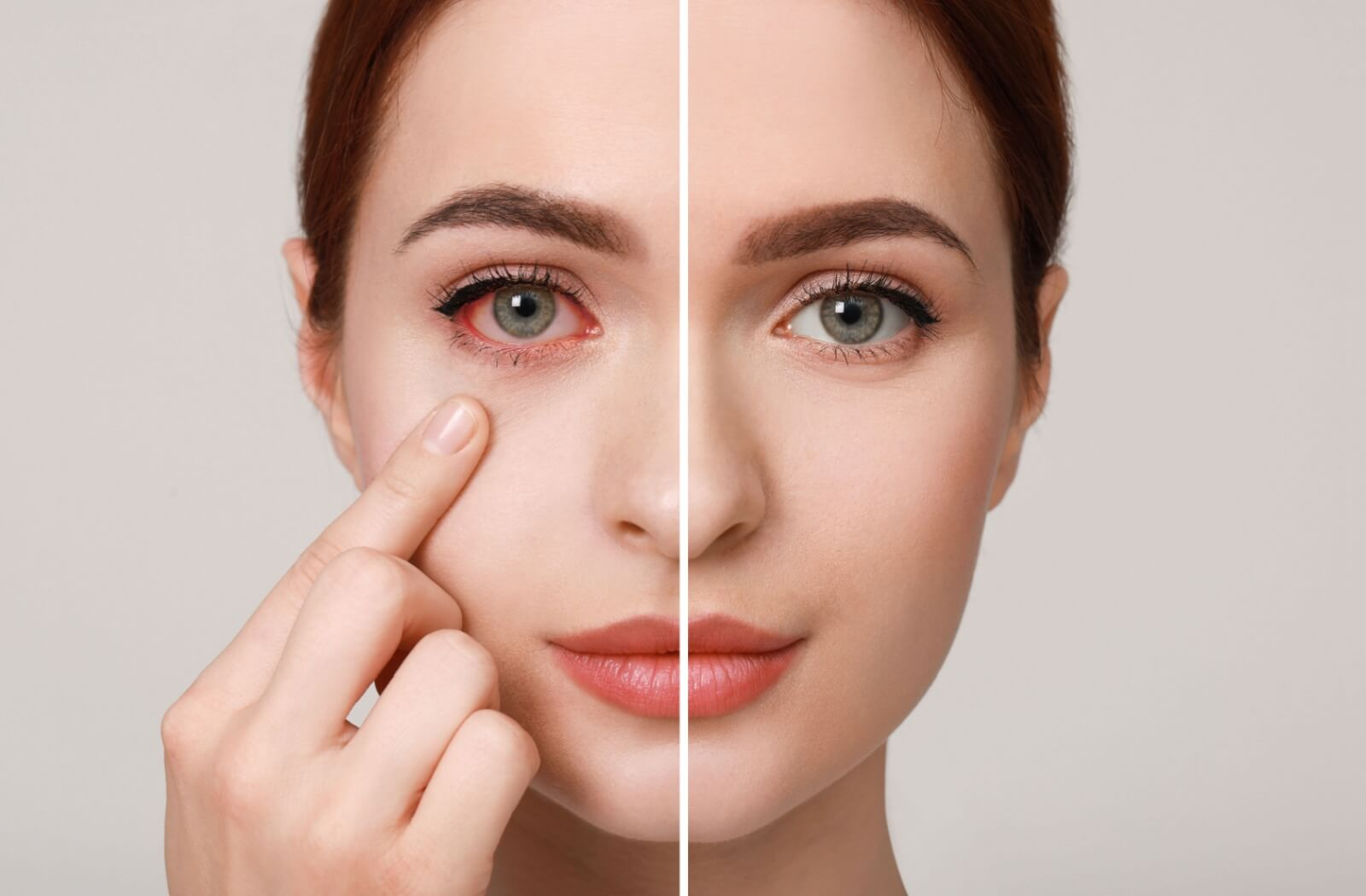
Dry eye is a common eye condition that happens when your eyes do not produce enough tears, or when the tears evaporate too quickly. Tears are essential for keeping the eyes comfortable, healthy, and clear. When the tear film becomes unstable, it can lead to irritation, discomfort, and vision problems.
In the UK, dry eye is increasingly common due to factors such as long screen time, air-conditioned environments, contact lens use, ageing, and certain health conditions. At Dry Eye Doc, we focus exclusively on helping people understand, manage, and treat dry eye using clinically recommended solutions.
Dry eye can affect anyone, but with the right knowledge and products, it can be managed effectively.
Symptoms of Dry Eye
Dry eye symptoms can vary from mild to severe and may affect one or both eyes. Many people experience symptoms that come and go, while others deal with them daily.
Common symptoms include:
- A dry, gritty, or sandy feeling in the eyes
- Burning or stinging sensation
- Red or irritated eyes
- Watery eyes (a reaction to dryness)
- Blurred or fluctuating vision
- Sensitivity to light
- Eye fatigue, especially after screen use
- Discomfort when wearing contact lenses
- A feeling that something is stuck in the eye
Symptoms often worsen in dry environments, during long hours of computer or phone use, or in windy or air-conditioned spaces. If left untreated, dry eye can impact daily activities such as reading, driving, and working on screens.
Types of Dry Eye
Dry eye is not a single condition. It has different types, and understanding which type you have is key to choosing the right treatment.
1. Evaporative Dry Eye
This is the most common type of dry eye. It occurs when tears evaporate too quickly due to poor oil (lipid) production from the eyelid glands, known as the meibomian glands.
Common causes include:
- Blocked or inflamed eyelid glands
- Infrequent blinking (often from screen use)
- Eyelid conditions such as blepharitis
Symptoms often worsen throughout the day and in dry or windy environments.
2. Aqueous Deficient Dry Eye
This type happens when the eyes do not produce enough watery tears to keep the surface of the eye moist.
Possible causes include:
- Ageing
- Autoimmune conditions
- Certain medications
- Hormonal changes
People with this type may feel constant dryness and irritation, even in comfortable environments.
3. Mixed Dry Eye
Many people experience a combination of both evaporative and aqueous deficient dry eye. This is known as mixed dry eye and often requires a more tailored treatment approach.
4. Dry Eye Related to Eyelid Disease
Conditions such as blepharitis and meibomian gland dysfunction can directly contribute to dry eye. In these cases, eyelid hygiene is just as important as using eye drops.
Treatments for Dry Eye
Dry eye is a long-term condition, but it can be managed successfully with the right care plan. Treatment usually depends on the type and severity of dry eye.
Artificial Tears and Lubricating Eye Drops
Lubricating eye drops are the first line of treatment for most people. They help replace missing moisture and stabilise the tear film.
Preservative-free drops are often recommended, especially for frequent use, as they are gentler on the eyes and suitable for sensitive users.
Gels and Ointments
For more severe symptoms or night-time dryness, thicker gel drops or ointments can provide longer-lasting relief. These are particularly useful for people who wake up with dry or sore eyes.
Eyelid Hygiene
Keeping the eyelids clean helps improve oil flow from the glands and reduces inflammation. Warm compresses and lid cleansing products are commonly recommended, especially for evaporative dry eye.
Lifestyle Changes
Small daily habits can make a big difference:
- Take regular screen breaks
- Blink consciously during screen use
- Avoid direct air from fans or heaters
- Use a humidifier in dry rooms
- Stay hydrated
Professional Advice
If symptoms persist, an eye care professional can assess the underlying cause and recommend a targeted treatment plan. Early management helps prevent long-term discomfort and complications.
Products Linked to Dry Eye
At Dry Eye Doc, we carefully curate products that are clinically recommended and commonly used by eye care professionals in the UK. Our range focuses entirely on dry eye and eyelid health.
Lubricating Eye Drops
We offer a wide selection of preservative-free artificial tears designed for different levels of dryness. These drops help restore moisture, improve comfort, and support long-term eye health.
Intensive and Gel Drops
For moderate to severe dry eye, thicker formulations provide longer relief and better protection for the eye surface, especially during sleep or extended screen use.
Single-Dose Vials
Single-use eye drops are ideal for sensitive eyes and frequent application. They ensure hygiene, reduce irritation, and are easy to use at home or on the go.
Eyelid Care Products
Our eyelid hygiene range supports the treatment of blepharitis and meibomian gland dysfunction, helping to improve tear quality and reduce dryness over time.
Clinician-Curated Solutions
Every product available through Dry Eye Doc is selected based on clinical experience and real-world use. We only stock products we would confidently recommend in practice.
Managing Dry Eye with Confidence
Dry eye can be frustrating, but it does not have to control your life. Understanding the condition, recognising your symptoms, and using the right products can make a significant difference.
At Dry Eye Doc, our mission is to make dry eye management simple, effective, and accessible. As a UK-based brand focused entirely on dry eye and eyelid disease, we provide fast delivery, secure checkout, and trusted solutions tailored to real patient needs.